Commercial vs Residential Roofing: Key Differences Explained
Understanding the distinction between commercial and residential roofing is vital for property owners, facility managers, and developers across Brisbane Northside. While both systems share the primary objective of protecting a building against Queensland’s diverse weather patterns, their architectural designs, engineering requirements, and material compositions differ significantly. In 2026, advances in energy-efficient roofing technologies and updated National Construction Code (NCC) standards have highlighted these differences even further.
Design and Architectural Complexity
The most immediate difference between residential and commercial roofs lies in their slope and structural footprint. Residential roofs throughout Brisbane Northside suburbs—from character Queenslanders in Ascot to modern builds in North Lakes—typically feature steep-pitched designs like gables, hips, and valleys. These slopes facilitate rapid rainwater runoff during intense summer downpours and allow homeowners to showcase architectural styling that enhances street appeal.
In contrast, commercial roofing across industrial parks in Brendale, corporate suites in Chermside, and retail precincts generally employs low-slope or completely flat profiles. Commercial designs prioritise large footprints to cover substantial square meterage efficiently. Because water does not run off flat roofs as quickly as pitched ones, commercial systems require specialised internal drainage, siphon systems, and scuppers to prevent ponding and structural overloading.
Material Selection and Performance
Material choices are dictated by the underlying structural support, slope, and functional requirements of the property.
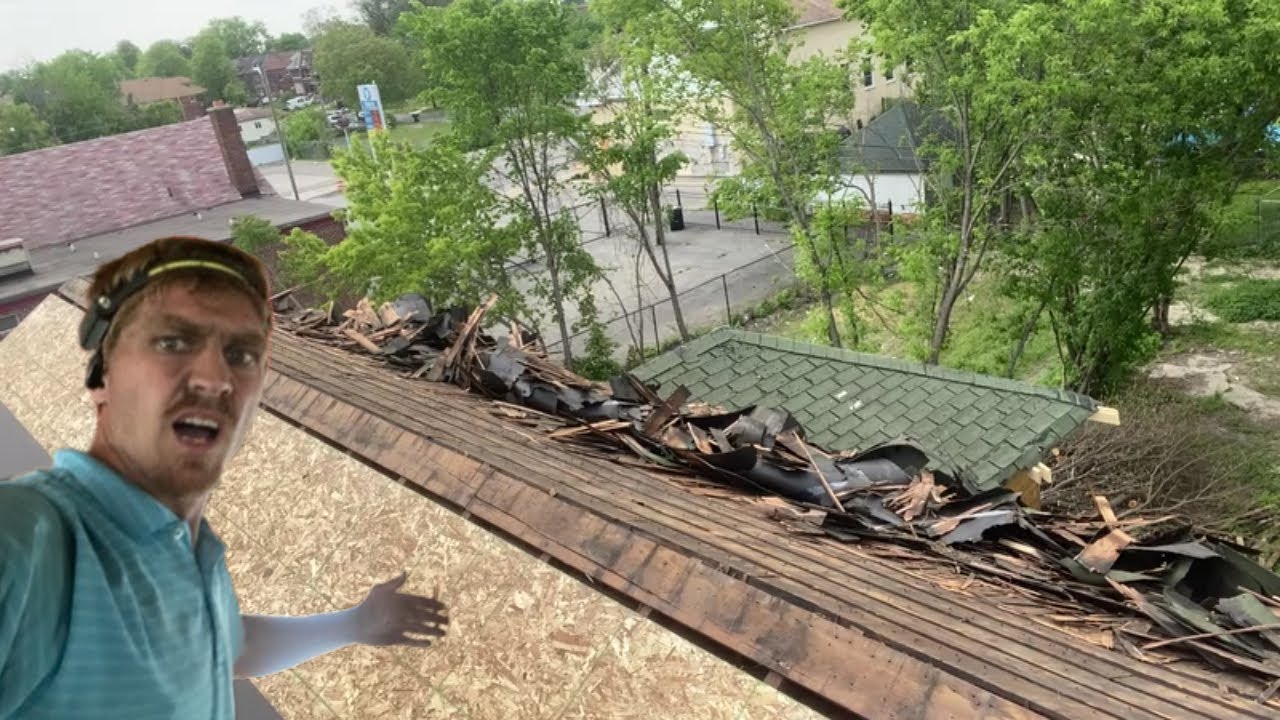
- Commercial Materials: Flat and low-pitch commercial structures commonly rely on continuous membrane systems such as TPO (thermoplastic polyolefin), modified bitumen, and custom-profile metal decks like Colorbond Klip-Lok. These materials minimise seam exposure over wide expanses, preventing water ingress even during severe cyclonic squalls.
- Residential Materials: Residential properties predominantly feature traditional corrugated Colorbond steel, concrete roof tiles, or terracotta tiles. These materials balance aesthetic appeal, longevity, and hail resistance, providing excellent customisation options to match neighborhood design aesthetics.
Installation, Scale, and Compliance
The logistics and regulatory scope of commercial and residential roof installations vary greatly. Residential roof installations or replacements typically take a matter of days and require standard residential scaffolding and fall-protection equipment. Queensland Building and Construction Commission (QBCC) standards ensure that licensed contractors meet all structural and waterproofing regulations for domestic dwellings.
Commercial installations represent major engineering endeavours that often span multiple weeks or months. These projects frequently incorporate rooftop mechanical equipment, industrial HVAC units, commercial solar arrays, and complex exhaust systems. As a result, commercial roofers must account for heavy equipment access, advanced WHS working-at-heights protocols, and strict thermal efficiency ratings mandated under Section J of the NCC 2025/2026 energy provisions.
Brisbane Northside Climate Considerations
The climate in South East Queensland creates unique demands for roofs on both sides of the sector. Subtropical heat, high humidity, and severe thunderstorm seasons require careful planning. Commercial properties often implement "cool roof" coatings and high-reflectance membranes to drive down air conditioning loads across large interior spaces. For residential homes, reflective metal roof colours paired with adequate roof space ventilation (such as whirlybirds or solar vents) remain essential to prevent attic heat transfer into living zones.
Routine Maintenance Differences
Proactive care preserves roof longevity, but maintenance frequencies and inspection workflows differ significantly between asset types.
- https://raymondespk762.brightsora.com/posts/roof-warranties-explained-what-x27-s-covered-and-what-x27-s-not
- Commercial Maintenance Schedules: Due to continuous foot traffic from maintenance technicians servicing rooftop plant units, commercial roofs require quarterly or bi-annual professional inspections to check drainage points, sealants, flashings, and membrane integrity.
- Residential Maintenance Schedules: Residential roofs generally require inspections once every one to two years, alongside post-storm checks for cracked tiles, blocked perimeter gutters, or displaced ridge capping.
Whether managing a retail warehouse in Geebung or maintaining a family residence in Stafford, selecting an experienced, QBCC-licensed roofing professional familiar with Brisbane Northside’s local microclimate ensures long-term durability and structural protection.
Brisbane Northside Roof Restoration
Unit 3/3 Harvton St, Stafford QLD 4053
(07) 3130 0990